
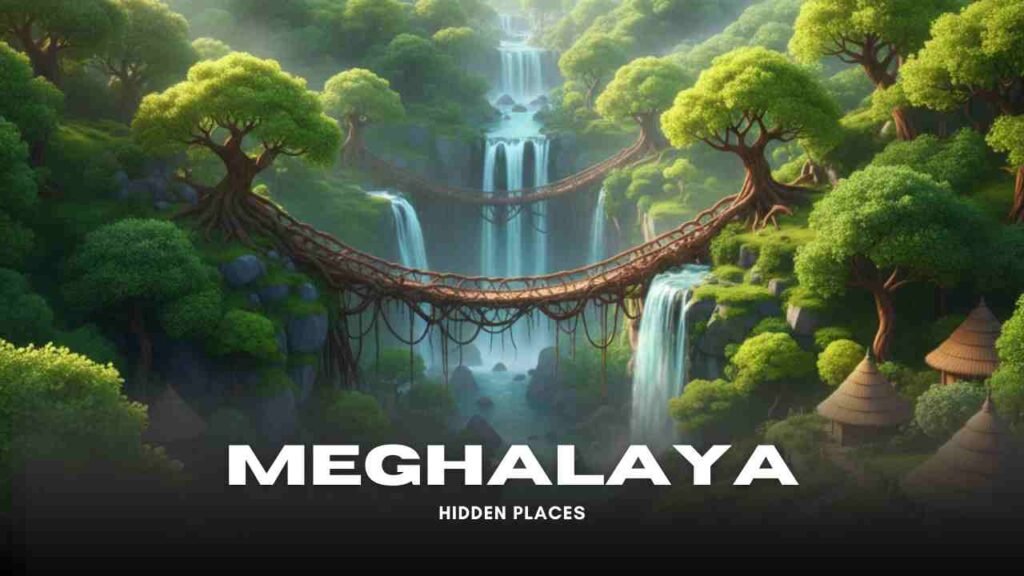
Nestled in the northeastern corner of India, Meghalaya is a land of mist-covered hills, roaring waterfalls, ancient forests, and living traditions. Known as the “Abode of Clouds,” Meghalaya is celebrated for its dramatic monsoon landscapes and vibrant tribal cultures.
While popular destinations like Shillong and Cherrapunji attract steady tourism, the true magic of Meghalaya often lies beyond the mainstream trail. Hidden within its valleys and plateaus are lesser-known gems that offer serenity, authenticity, and breathtaking natural beauty.
Exploring the Top 10 Hidden Places in Meghalaya is not just about visiting new places—it is about experiencing raw nature, connecting with indigenous Khasi and Jaintia heritage, and immersing yourself in landscapes that remain largely untouched. From secluded islands and secret waterfalls to sacred forests and crystal-clear rivers, Meghalaya’s unexplored treasures promise unforgettable journeys.
1. Nong Khnum Island – The River Island Retreat
Nongkhnum Island stands as a symbol of untouched serenity in Meghalaya. Located in the West Khasi Hills district, this tranquil retreat is formed by the bifurcation of the Kynshi River. Unlike crowded tourist hubs, Nongkhnum offers peaceful sandy riverbanks, lush greenery, and the soothing sound of flowing water.
The journey to reach the island involves crossing a suspension bridge and walking through scenic countryside. This sense of remoteness adds to its charm. The island remains largely uncommercialized, preserving its natural beauty and quiet atmosphere. What makes Nongkhnum truly special is its blend of landscapes.
Visitors can explore waterfalls like Weinia Falls nearby, relax along sandy shores, or simply sit by the river watching the golden hues of sunset. The island’s open fields are ideal for camping, picnics, and photography. The absence of heavy tourism infrastructure keeps the environment clean and peaceful.
2. Laitlum Canyons:
Laitlum, meaning “End of Hills” in Khasi, is a stunning canyon viewpoint located near Shillong. Despite its proximity to the capital city, it remains relatively unexplored compared to Meghalaya’s more famous attractions.
The landscape here is dramatic and cinematic—deep gorges plunge into misty valleys, while steep stairways descend toward remote villages below. The panoramic views are particularly mesmerizing during sunrise and sunset when the sky transforms into shades of orange and pink.
Adventurous travellers can trek down to the village of Rasong, nestled at the canyon’s base. The descent involves hundreds of steps, but the experience is rewarding. Interacting with local villagers offers insight into traditional Khasi lifestyles and farming practices.
3. Mawphlang Sacred Forest:
Mawphlang Sacred Forest is a testament to the harmony between culture and nature. It offers visitors not just scenic beauty but also a deeper understanding of Khasi heritage. Local folklore says that nothing— not even a leaf—should be taken from the forest, as it is guarded by spiritual forces.
Walking through Mawphlang feels like stepping into an ancient world. Moss-covered trees, unique rock formations, and medicinal plants create an enchanting environment. The forest acts as a biodiversity hotspot, home to rare orchids, butterflies, and endemic plant species.
Local guides share stories about rituals once performed here and explain the traditional ecological knowledge passed down through generations. The sacred forest exemplifies how indigenous communities have preserved ecosystems long before modern conservation practices emerged.
4. Krang Suri Falls:
Tucked away in the Jaintia Hills district, Krang Suri Falls captivates visitors with its striking turquoise waters. Though gradually gaining popularity, it remains less crowded compared to major waterfalls in Cherrapunji. The waterfall cascades gracefully into a clear natural pool surrounded by rocky cliffs.
The vibrant blue-green hue of the water is almost surreal. Visitors can swim in the pool, enjoy life jackets for safety, or relax on wooden platforms built nearby. The surrounding forest enhances the sense of seclusion and tranquillity.
5. Nongriat:
Deep within the East Khasi Hills lies Nongriat, a small village famous for its living root bridges. Crafted over generations by guiding the aerial roots of rubber trees, these bridges are sustainable architectural wonders.
The trek to Nongriat involves descending thousands of steps from Tyrna village. Though challenging, the journey rewards travelers with lush forests, waterfalls, and natural pools. The Double Decker Living Root Bridge is a highlight. Unlike modern constructions, these bridges grow stronger with time, symbolizing harmony between humans and nature.
Staying overnight in Nongriat allows visitors to experience rural Khasi life and wake up to birdsong and mist-covered hills.
6. Kongthong:
Kongthong is famously known as the “Whistling Village” because every resident has a unique tune used as their name. Surrounded by rolling green hills and misty valleys, this remote Khasi village offers breathtaking scenery and an extraordinary cultural experience.
The tradition, called “Jingrwai Iawbei,” reflects the community’s deep bond with nature, as melodies often mimic birds and flowing streams. Visitors can trek through lush forests, interact with locals, and experience authentic rural life untouched by modernization.
The peaceful environment, combined with its rare musical naming system, makes Kongthong a fascinating hidden gem that blends culture, tradition, and natural beauty seamlessly.
7. Mawryngkhang Trek:
The Mawryngkhang Trek, often called the “Bamboo Trek,” is one of Meghalaya’s most thrilling hidden adventures. Located near Wahkhen village, this trek involves walking along narrow bamboo bridges tied together over deep gorges and fast-flowing rivers.
The dramatic landscape, with steep cliffs and roaring waters below, offers both excitement and stunning views. Though less crowded than other treks, it provides an adrenaline rush combined with natural splendor.
The trek ends at a massive rock formation believed by locals to be a mythical king turned to stone. It is a perfect destination for adventure lovers seeking something beyond mainstream tourist trails.
8. Wari Chora:
Hidden in the Garo Hills, Wari Chora is a spectacular river canyon with crystal-clear water flowing between tall rock walls. Accessible after a moderate trek, this offbeat destination offers boating experiences through narrow gorges that resemble miniature fjords.
The calm turquoise water reflects surrounding cliffs, creating mesmerizing views. Because of its remote location, Wari Chora remains largely unexplored and pristine. The silence, broken only by flowing water and birdsong, makes it ideal for travelers seeking solitude and raw natural beauty.
9. Siju Caves:
The Siju Caves, located in the South Garo Hills, are among the longest cave systems in India. Often called the “Bat Cave,” these limestone caves feature intricate rock formations, underground streams, and echoing chambers.
Adventurous travelers can explore the dimly lit passages filled with stalactites and stalagmites. The caves remain less commercialized compared to other cave systems, preserving their mysterious aura.
Exploring Siju Caves offers a thrilling underground journey into Meghalaya’s geological wonders.
10. Shnongpdeng Village:
Shnongpdeng is a tranquil riverside village near Dawki, famous for its crystal-clear Umngot River. While Dawki attracts crowds, Shnongpdeng remains quieter and more serene.
Visitors can enjoy kayaking, snorkeling, cliff jumping, and camping along the transparent river waters. The surrounding hills and calm environment create a peaceful retreat.
Its combination of adventure and relaxation makes Shnongpdeng an ideal hidden destination for eco-tourism enthusiasts.
Conclusion:
Exploring the hidden gems of Meghalaya reveals a side of the state that goes far beyond guidebook highlights. Nongkhnum Island offers tranquil riverside landscapes, Laitlum Canyons showcase dramatic horizons, Mawphlang Sacred Forest preserves ancient traditions, Krang Suri Falls dazzles with turquoise waters, and Nongriat amazes with living root bridges.
What unites these destinations is authenticity. They are not defined by luxury resorts or commercial tourism but by raw landscapes and living cultures. Visiting these places requires effort—long drives, steep treks, and a spirit of adventure—but the rewards are profound.
In an era of overtourism, Meghalaya’s hidden gems remind us of the value of mindful travel. They invite us to tread lightly, respect local customs, and cherish nature’s wonders. Whether you seek solitude, adventure, or cultural enrichment, Meghalaya’s unexplored corners promise experiences that linger long after the clouds have lifted.
Frequently Asked Questions(FAQs):
1. What is the best time to visit these hidden places?
The best time is between October and April for clear skies and comfortable trekking weather. Monsoon (June–September) enhances waterfalls but can make travel difficult due to heavy rain.
2. Are these places safe for tourists?
Yes, Meghalaya is generally safe for tourists. However, some hidden spots involve trekking, caves, or river activities. It’s advisable to hire local guides, follow safety instructions, and wear proper gear.
3. Do I need permits to visit these locations?
Indian tourists usually do not need special permits. However, certain forest areas like Nokrek National Park may require entry permission. Foreign tourists should check current Inner Line Permit (ILP) regulations before travel.
4. Is mobile network connectivity available?
Connectivity is limited in remote areas like Wari Chora and Nongkhnum Island. It is advisable to inform family members before visiting offbeat locations.
5. How can I reach these hidden destinations?
Most locations are accessible by road from Shillong. Hiring a local taxi or self-driving vehicle is recommended, as public transport to remote areas is limited.